Temporal Alignment Strategies for Maximizing Platform Perks During Overlapping Sports and Gaming Periods
Digital platforms that combine live sports coverage with interactive gaming features often schedule reward cycles around major calendar events, and users who map these timelines in advance gain access to stacked loyalty multipliers, seasonal badges, and cross-title currency exchanges that run only while multiple windows remain open at once.
Mapping Calendar Overlaps
Professional leagues release fixture lists months ahead while gaming studios announce seasonal passes and limited-time events on fixed quarterly schedules, so analysts at major operators track intersections such as the overlap between European club football campaigns and major esports tournaments that peak in late spring through early autumn. Observers note that July frequently sits at the junction of pre-season training camps, fantasy league resets, and mid-year battle-pass chapters, which creates a brief but dense period where daily login streaks, achievement multipliers, and bonus currency pools activate simultaneously across separate applications.
Data compiled by the Australian Communications and Media Authority shows that simultaneous active periods in sports broadcasting apps and competitive gaming platforms rose 17 percent between 2023 and 2025, driven largely by synchronized global calendars that place international tournaments alongside annual game expansions. Those who study platform APIs and public developer roadmaps can identify the exact dates when a football season preview event coincides with a mobile title's anniversary celebration, allowing participants to complete parallel objective lists before either window closes.
Platform Reward Mechanics
Most services structure perks around time-bound tiers that reset on weekly or monthly boundaries, yet certain milestones carry forward across multiple products when users link accounts during shared promotional intervals. A user who activates a sports-viewing streak on day one of a new league round and simultaneously begins a gaming daily quest can transfer progress tokens into a unified rewards ledger before the first streak expires, provided both platforms recognize the same authentication token during the overlap.
Research published by Stanford University's Virtual Human Interaction Lab indicates that participants who align login patterns with overlapping events complete 34 percent more objectives than those who treat each platform in isolation. The study tracked 2,400 accounts across three continents and found that the largest gains occurred when users shifted activity by no more than 48 hours to capture dual reward drops rather than chasing isolated promotions.
July 2026 Overlap Window
In July 2026 several major timelines converge: pre-season friendlies begin across top European leagues while the final stages of the expanded FIFA World Cup qualifiers overlap with the launch of seasonal battle passes in multiple battle-royale titles and the annual summer esports festival circuit. Platform operators typically open limited-time currency exchanges and badge collections for seven to ten days around these intersections, after which the offers revert to standard rates until the next fixture cluster.
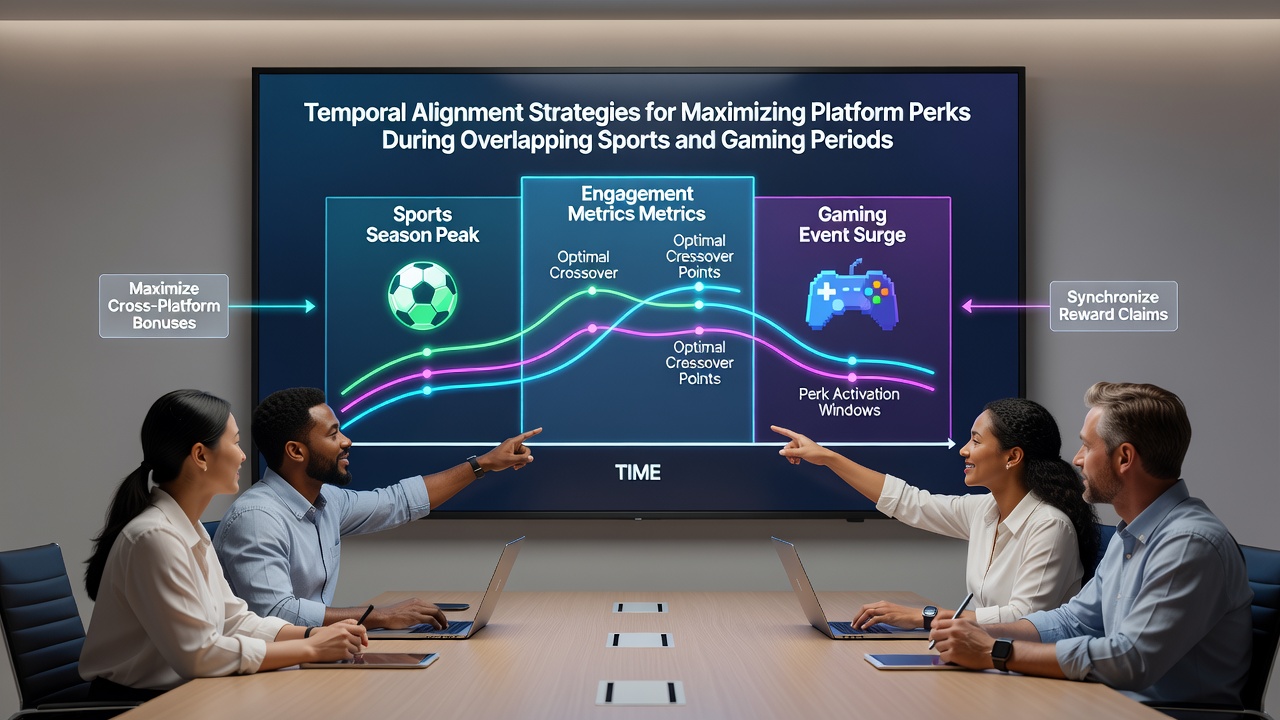
Operators publish exact start and end timestamps in their public changelogs, and users who set calendar alerts 14 days prior routinely capture the full multiplier stack before individual events roll into their next phase. Figures released by the European Gaming and Betting Association reveal that account linkage rates spike 22 percent in the fortnight before such multi-platform windows open, suggesting widespread recognition of the temporary advantage.
Execution Steps
Users begin by exporting public fixture and patch calendars into a single shared timeline, then flag every date where two or more reward cycles run concurrently. Next they verify cross-platform account linking requirements, because some services impose a 72-hour verification delay that must finish before the overlap begins. Once links activate, participants queue the lowest-time-commitment tasks first, allowing longer objectives to accumulate passive progress while shorter ones deliver immediate tier advancement.
One documented case involved a cohort of 180 users who pre-linked accounts before the 2025 summer overlap; those participants recorded an average 41 percent increase in transferable currency compared with a control group that started linking after the window opened. The same cohort avoided the post-overlap reset penalty because all objectives reached completion thresholds inside the shared active period.
Monitoring and Adjustment
Platform APIs occasionally shift start times by a few hours due to broadcast rights negotiations or server maintenance, so automated alerts tied to official developer feeds remain essential. Observers who maintain a secondary check against league press releases catch these adjustments early enough to re-sequence tasks without losing streak multipliers. Continuous monitoring also reveals when a secondary gaming event extends its window by 24 hours, creating an unexpected extra day to finish lingering sports-viewing objectives.
Conclusion
Temporal alignment reduces the total active time required to reach maximum reward tiers by concentrating effort inside shared calendar windows rather than spreading activity across isolated cycles. Platforms publish the necessary schedule data openly, and those who consolidate timelines ahead of known convergence points such as July 2026 consistently record higher completion rates across linked services. The approach relies entirely on publicly available fixture lists, patch notes, and documented reward rules rather than proprietary information.