Synchronizing Promotional Timelines Across Team Sports Calendars, Thoroughbred Schedules, and Digital Entertainment Platforms for Sustained Engagement
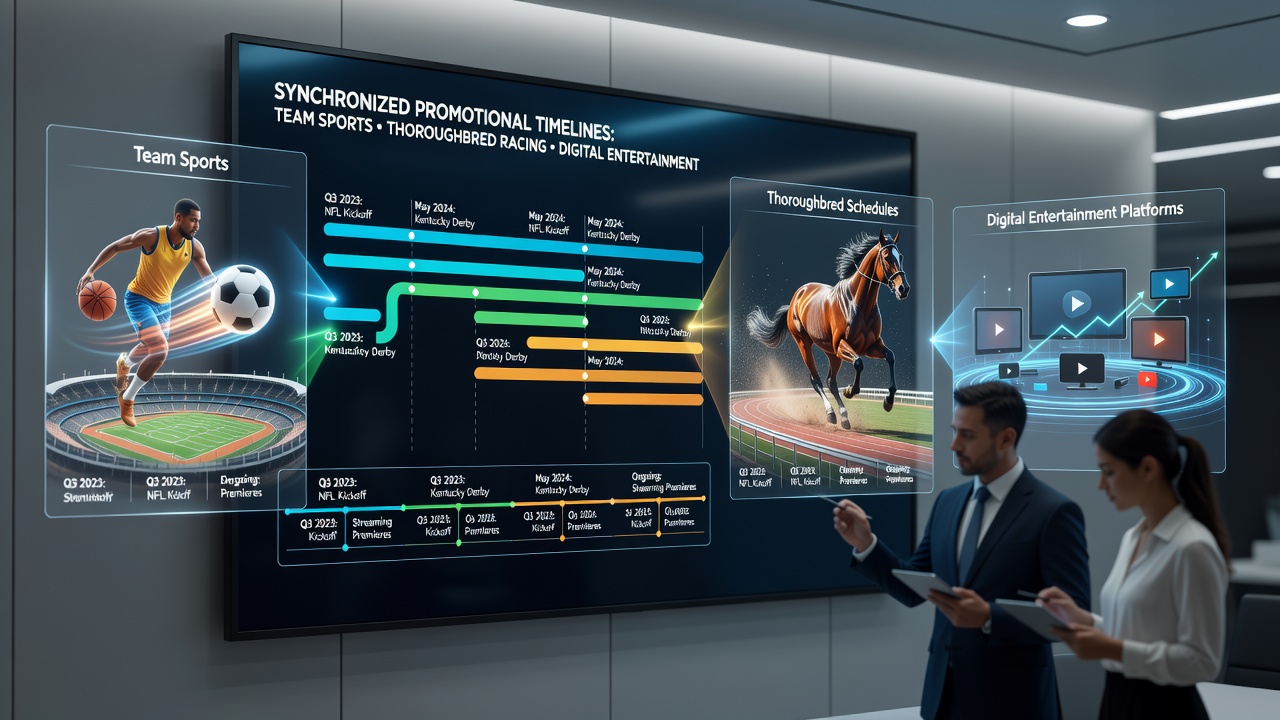
Coordinating promotional timelines requires careful alignment between the annual cycles of major team sports leagues, the seasonal fixtures of thoroughbred racing circuits, and the release schedules of digital entertainment platforms such as streaming services and mobile gaming ecosystems. Data from industry analyses shows that organizations achieve sustained audience engagement when they map these calendars together rather than treating them as isolated timelines, and this approach becomes particularly relevant during periods of overlapping activity like the summer months when multiple sectors transition between seasons.
Mapping Core Calendar Structures
Team sports calendars operate on fixed seasonal patterns that dictate the bulk of promotional activity, with leagues such as those in North American professional basketball and European football releasing their full fixture lists months in advance so that broadcasters and sponsors can prepare integrated campaigns. Thoroughbred racing follows a different rhythm built around major meetings and festival events that occur at consistent annual intervals, including high-profile summer racing series that draw international attention. Digital entertainment platforms release content in rolling windows tied to viewer data and subscription renewal cycles, which means their promotional pushes often align with sports downtime to maintain continuous audience contact.
Observers note that synchronization begins with the creation of a unified master timeline that flags key dates from each sector, and this process allows planners to identify natural handoff points where one sector's peak activity can support another's quieter phases. For instance, the conclusion of certain team sports playoffs in late spring opens space for thoroughbred events to feature in cross-promotions that carry audiences into summer digital content drops.
Handling Overlaps in July 2026
July 2026 presents a notable convergence point because several team sports leagues enter their off-season transition windows while major thoroughbred festivals reach their mid-year peaks and digital platforms launch large-scale original programming slates ahead of the autumn viewing surge. Industry reports indicate that planners who pre-align these elements can extend engagement by shifting resources from concluded team sports campaigns directly into racing coverage supported by companion digital experiences such as interactive apps and behind-the-scenes streaming series.
Those who have examined past alignment efforts point to the value of shared creative assets that travel across platforms, and this method reduces duplication while reinforcing brand messages through repeated exposure at different touchpoints throughout the calendar year.
Practical Coordination Methods
Successful synchronization relies on several established practices that organizations have refined through repeated application across multiple seasons. First, teams establish shared data dashboards that track engagement metrics from sports broadcasts, racing telecasts, and digital platform usage so that adjustments can be made in real time when audience patterns shift. Second, they create modular promotional packages that can be activated or paused depending on which calendar element is currently driving traffic.
Third, partnerships between rights holders in different sectors allow for co-branded activations that appear across television, social channels, and mobile applications without requiring separate production cycles. Research from sports management studies demonstrates that such modular approaches maintain audience attention spans longer than single-sector campaigns because they provide variety while preserving thematic continuity.
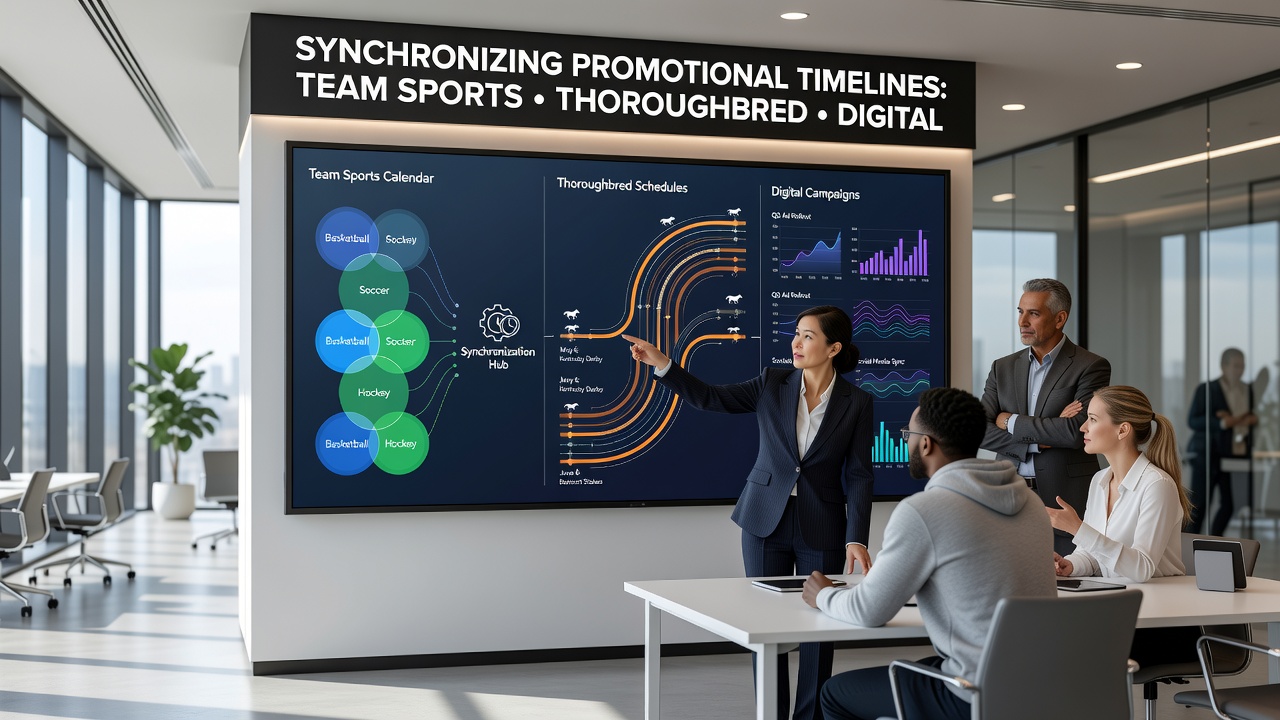
Additional tactics include the use of countdown campaigns that bridge one sector's conclusion with another's opening, and the deployment of reminder notifications across mobile apps that reference upcoming events from multiple calendars. These methods keep users within an ecosystem even when their primary interest moves from one activity to another.
Regional Variations and Regulatory Contexts
Different geographic markets apply distinct approaches to calendar synchronization because local sports traditions and entertainment consumption habits vary considerably. In North America, coordination often centers on major league off-seasons that align with horse racing circuits in states with established tracks, while European markets tend to integrate football league calendars with prominent racing festivals and pan-European streaming releases. Australian and Asian markets have developed their own hybrid models that blend domestic team sports with international racing events and region-specific digital content.
According to a report published by the Australian Sports Commission, organizations that account for these regional differences when building unified timelines see higher cross-sector participation rates than those applying a single global template. Similar findings appear in analyses from academic institutions tracking media consumption patterns across multiple continents.
Measuring Sustained Engagement Outcomes
Quantifying the impact of synchronized timelines involves tracking metrics that span multiple sectors rather than isolated indicators for each one. Engagement duration, repeat visitation rates, and cross-platform referral numbers provide clearer pictures of whether alignment efforts produce lasting audience connections. Studies compiled by research groups focused on media economics show that campaigns running across coordinated calendars generate measurable lifts in these areas compared with non-aligned efforts, particularly when the timeline mapping accounts for both peak and shoulder periods in each sector.
Those managing such programs also monitor retention across seasonal transitions, since the goal is to prevent audience drop-off when one sector enters a lull. Continuous data collection allows for iterative refinements that keep the overall structure responsive to actual viewer behavior.
Conclusion
Synchronizing promotional timelines across team sports, thoroughbred racing, and digital entertainment platforms creates a framework for sustained engagement by aligning natural calendar peaks and troughs into a continuous cycle. Organizations achieve this through master timelines, shared data systems, modular creative assets, and region-specific adaptations that respect local consumption patterns. When executed with attention to overlapping periods such as July 2026, these coordinated approaches support ongoing audience contact across sectors without requiring entirely new campaigns for each transition. The methods described rely on established practices drawn from industry reporting and academic research, and they continue to evolve as calendars and platforms adjust their own schedules in response to broader market conditions.