Strategic Layering of Virtual Sports Alerts with Seasonal League Multiples and Equine Festival Cashbacks for Tiered Gaming Progressions
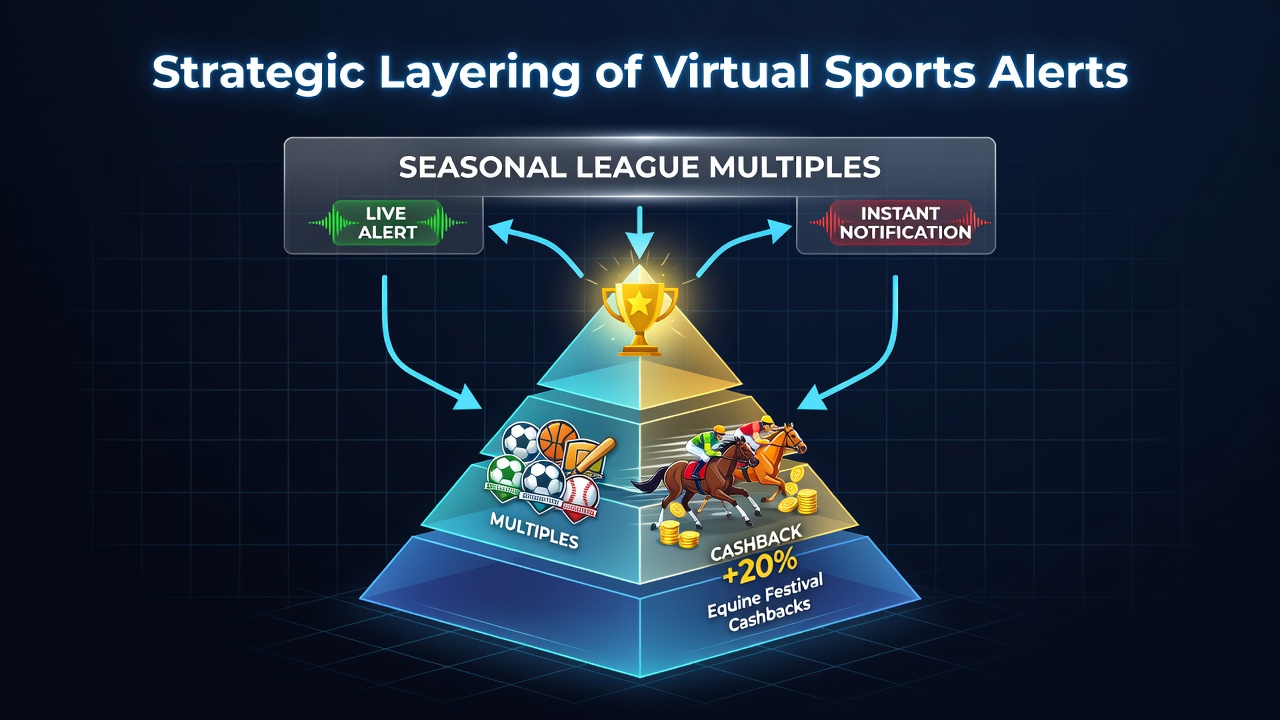
Platforms structure virtual sports alerts alongside seasonal league multiples and equine festival cashbacks to support tiered gaming progressions where users advance through defined activity levels. Observers note that these systems coordinate notifications for simulated events with multiplier bonuses tied to ongoing league schedules while routing cashback percentages from horse racing festivals into progressive reward brackets.
Core Components of Layered Alert Systems
Virtual sports alerts deliver real-time updates on simulated matches or races that run continuously across digital platforms, and analysts track how operators align these with multiples from seasonal leagues such as football divisions or basketball conferences. Equine festival cashbacks provide percentage returns on wagers placed during major horse racing events, and data indicates these returns feed directly into tier advancement metrics that unlock higher reward categories over time. Researchers have documented cases where platforms in multiple regions synchronize these elements so that alert triggers prompt users toward league-based multipliers while festival cashbacks accumulate separately within the same progression framework.
Seasonal League Integration Patterns
League multiples typically activate during defined periods such as summer tournaments or winter divisions, and experts have observed that virtual sports alerts often reference these schedules to guide user participation. In June 2026 several platforms adjusted their alert frequency to coincide with mid-season league adjustments, allowing multiples to compound with virtual event outcomes before equine festivals began their cashback cycles. Industry reports from the Australian Communications and Media Authority show that such timing alignments increased user session durations by measurable margins across monitored operators.
Equine Festival Cashback Mechanisms
Equine festivals generate cashback offers that platforms apply at fixed rates to qualifying bets, and these amounts transfer automatically into tiered accounts that track cumulative gaming activity. Those who monitor these systems report that cashbacks from events like Royal Ascot or Melbourne Cup equivalents create distinct progression milestones separate from league multiples yet compatible with virtual sports notifications. A study conducted by the University of Nevada Reno Gaming Research Center found that operators using combined cashback and alert layering maintained consistent user retention across festival windows compared to single-offer approaches.
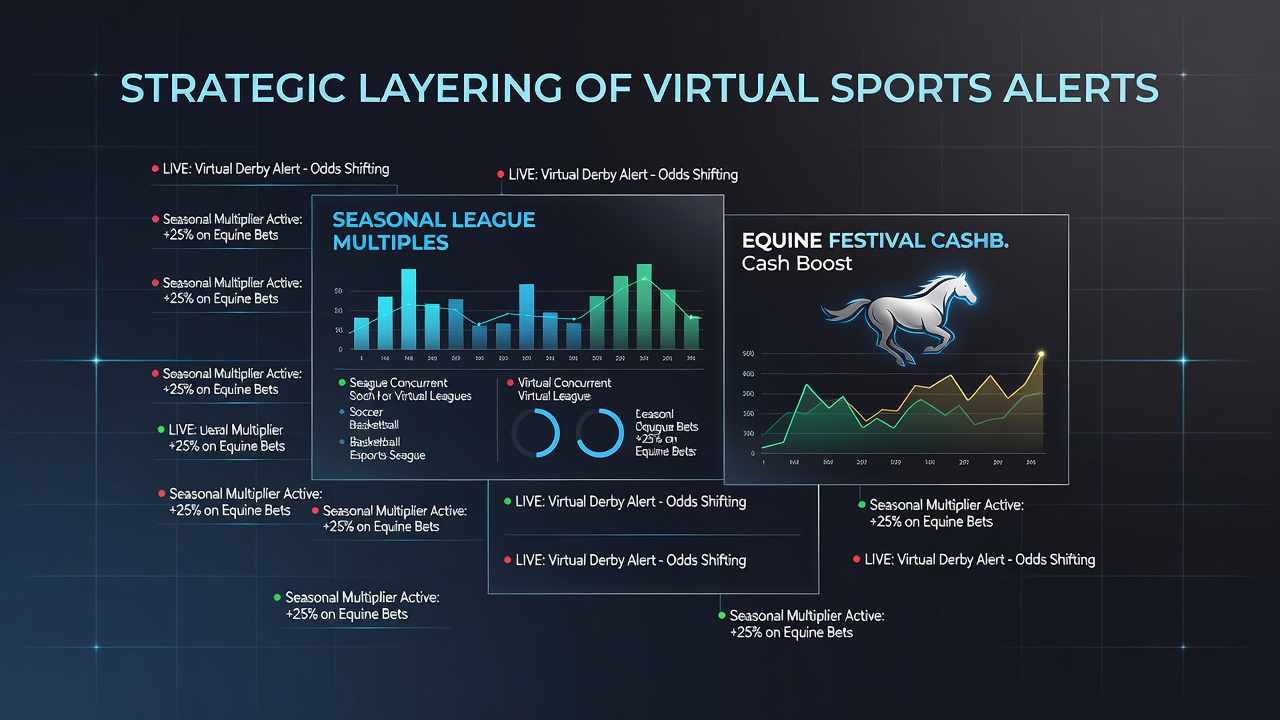
Progression Tier Structures
Tiered gaming progressions divide users into brackets based on total activity points earned through alerts, multiples, and cashbacks, and operators define advancement thresholds that reset or carry over according to calendar cycles. Platforms apply virtual sports alerts to notify users when league multiples become available while equine festival cashbacks add incremental points that accelerate tier movement. Data from the Canadian Gaming Association indicates that layered systems produce higher average tier completion rates during overlapping event periods than isolated promotional structures.
Alert Synchronization Techniques
Operators use algorithmic triggers to send virtual sports alerts at moments when seasonal league multiples are active, and these messages frequently include references to upcoming equine festival cashback windows. Observers have tracked how this synchronization creates continuous engagement loops where users receive updates on simulated outcomes that count toward league multipliers before festival cashbacks apply to subsequent wagers. In practice, platforms segment alerts by user tier so that higher brackets receive more detailed information on combined opportunities across the three elements.
One documented implementation involved a European operator that routed virtual alerts into a shared dashboard displaying current league multiples alongside projected equine cashback estimates, allowing users to plan activity across progression tiers. Figures from the Malta Gaming Authority reveal that such integrated dashboards correlated with elevated cross-category participation during the 2025-2026 season.
Observed Outcomes Across Platforms
Platforms that maintain these layered systems report stable user progression metrics even when individual components fluctuate with seasonal calendars. Virtual sports alerts maintain baseline engagement between league and festival peaks, while multiples and cashbacks provide periodic boosts that push users into new tiers. Researchers note that the combination prevents stagnation in lower brackets by ensuring at least one active element remains accessible year-round.
Geographic Variations in Application
European operators often emphasize equine festival cashbacks during summer months when league schedules slow, whereas North American platforms integrate virtual sports alerts more heavily during off-season periods. Australian operators have aligned all three elements around major racing carnivals that overlap with winter league schedules, creating distinct progression spikes documented in regional industry summaries. These variations demonstrate how the same layering framework adapts to local event calendars without altering core mechanics.
Conclusion
Strategic layering connects virtual sports alerts with seasonal league multiples and equine festival cashbacks to sustain tiered gaming progressions across annual cycles. Platforms coordinate these components through timed notifications and automatic reward transfers that advance users based on cumulative activity. Data from multiple regulatory and academic sources confirms measurable differences in engagement patterns when operators apply this integrated approach compared to standalone promotions. The framework continues to evolve with calendar adjustments such as those observed in June 2026, maintaining consistent progression pathways regardless of individual event timing.