Seasonal Analytics in Layered Rewards: Tracking How Weather Patterns Reshape In-Play Adjustments and Retention Mechanics Across Football, Racing Fixtures, and Digital Gaming Platforms
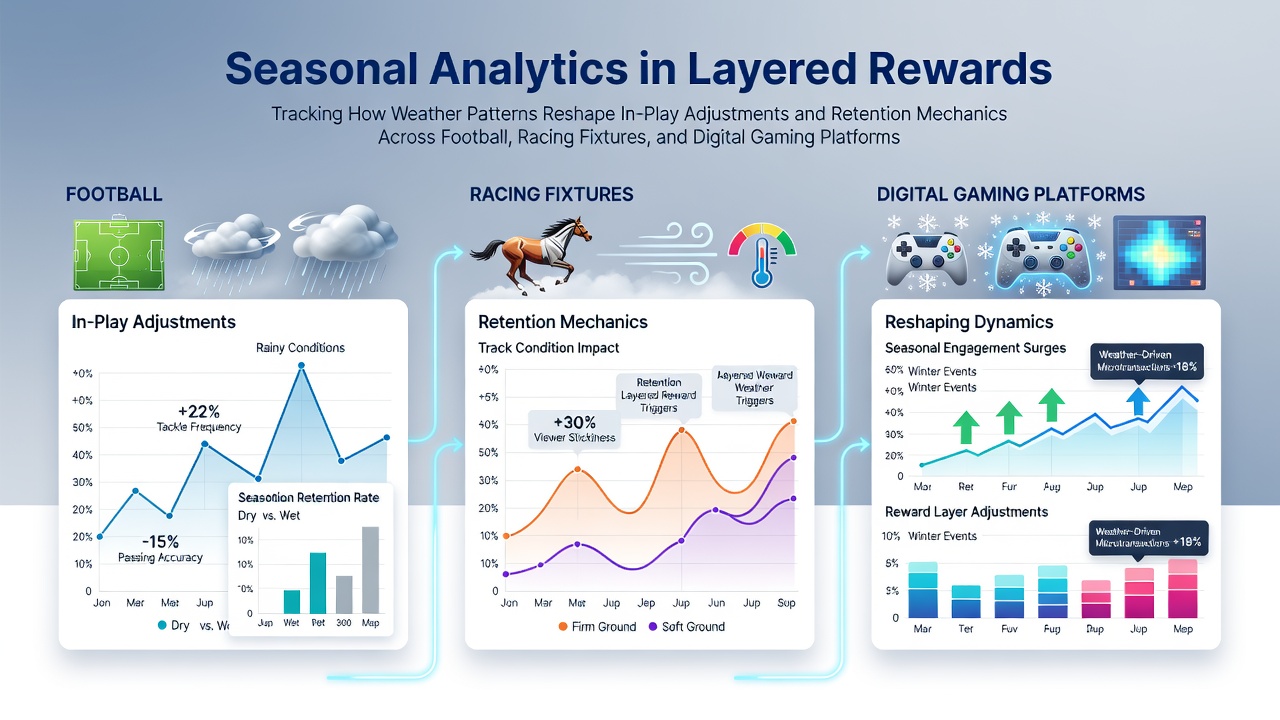
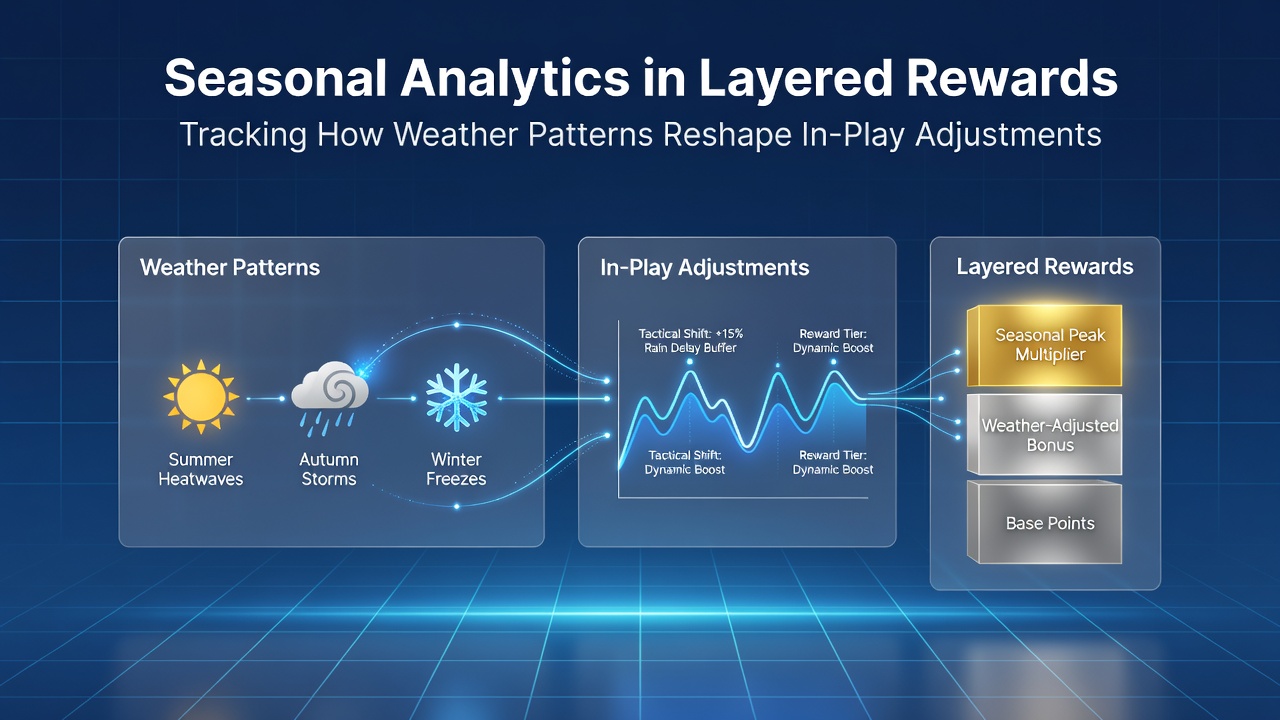
Weather patterns exert measurable influence over participation metrics in football matches, racing events, and digital gaming sessions, prompting operators to refine in-play adjustments within layered reward structures. Seasonal analytics platforms compile precipitation records, temperature fluctuations, and wind velocity data to predict shifts in user engagement across these domains, allowing reward tiers to recalibrate dynamically based on observed behavioral responses rather than fixed calendars.
Weather-Driven Adjustments in Football Engagement
Football fixtures scheduled during periods of heavy rainfall or extreme heat see documented changes in session durations and in-game interaction rates, according to datasets compiled by meteorological agencies. Operators integrate these variables into retention algorithms that modify bonus multipliers or progression milestones when forecasts indicate prolonged wet conditions, since such environments correlate with altered viewing patterns among remote participants. In June 2026, European leagues encountered above-average June humidity levels that extended average match viewing times by several minutes per session, prompting several platforms to layer additional micro-rewards for sustained logins during those windows.
Racing Fixtures and Environmental Variables
Thoroughbred and harness racing events respond directly to ground condition changes induced by seasonal precipitation, which in turn affects race scheduling and participant availability. Analytics systems track these variables alongside historical attendance figures to adjust loyalty point accrual rates, ensuring reward layers remain aligned with actual fixture viability. Data from the Australian Bureau of Meteorology reveals that winter rainfall patterns in southern regions frequently force postponements, leading operators to shift retention incentives toward virtual race simulations during those intervals to maintain consistent user activity.
Digital Gaming Platforms Under Seasonal Influence
Online gaming environments register distinct retention fluctuations tied to real-world weather events, particularly when outdoor alternatives become less appealing during storms or heatwaves. Layered reward systems employ predictive models that increase daily login streaks or bonus spin allocations when external conditions favor indoor screen time, drawing on aggregated user location data cross-referenced with weather APIs. Research conducted at the University of Melbourne indicates that prolonged periods of inclement weather in temperate zones produce measurable upticks in evening session lengths across mobile gaming titles, prompting developers to synchronize reward drops with those meteorological windows.
Integration of Multi-Source Data Streams
Comprehensive seasonal analytics combine inputs from satellite imagery, ground sensors, and user telemetry to generate granular forecasts that inform reward mechanics. These systems avoid static thresholds by continuously weighting variables such as temperature anomalies and storm frequency against engagement baselines established over multiple seasons. Observers note that platforms handling simultaneous football broadcasts and racing streams often deploy unified dashboards, enabling coordinated adjustments where a single weather event triggers parallel modifications to football in-play bonuses and racing fixture promotions.
Examples from Recent Seasonal Cycles
During the transition into summer 2026, North American racing circuits reported elevated track moisture that delayed several graded stakes, resulting in temporary elevation of virtual betting simulation rewards within linked digital platforms. Similar patterns emerged in European football regions where unseasonal downpours coincided with reduced stadium attendance yet sustained remote viewership, allowing operators to redistribute retention credits toward extended highlight packages. These adaptations demonstrate how layered systems maintain continuity by routing users between physical event categories and digital alternatives based on prevailing conditions.
Conclusion
Seasonal analytics continue to refine the calibration of layered rewards by embedding weather pattern intelligence into in-play and retention frameworks across football, racing, and digital gaming. Operators who align these mechanisms with verified meteorological datasets sustain engagement consistency regardless of environmental disruptions, establishing operational resilience through data-informed adjustments rather than reactive measures.