How Activity Patterns Influence Access to Layered Incentives in Sports and Racing Markets
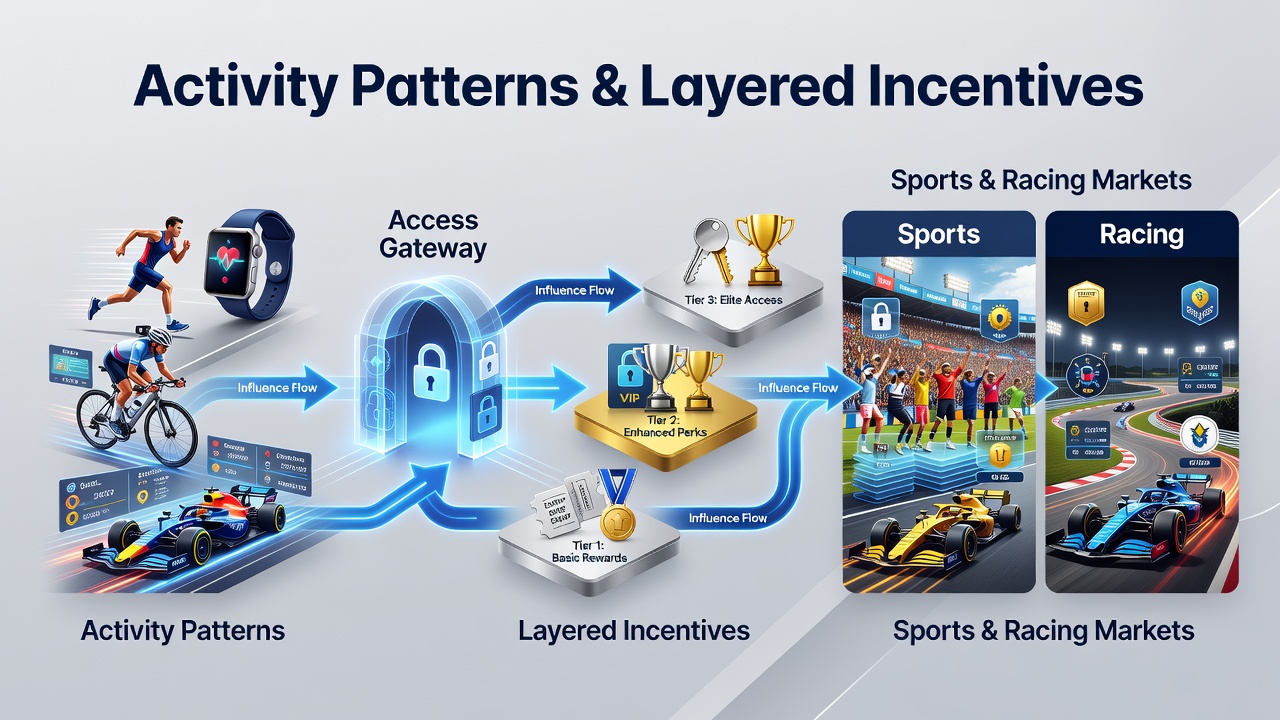
Activity patterns in sports and racing markets shape how participants gain entry to layered incentives that combine multiple reward structures such as deposit matches, performance-based bonuses, and retention credits. Researchers tracking user behavior across major platforms note that frequency of engagement, timing of wagers, and variety of selections determine eligibility thresholds set by operators. Data from regulatory filings indicate that consistent weekly participation often unlocks tiered access points unavailable to sporadic users.
Patterns emerge when bettors concentrate activity during peak events like Premier League weekends or major race meetings at Ascot and Cheltenham. Those who maintain steady involvement across both sports and racing calendars accumulate qualifying metrics faster than those focused on single categories. According to reports issued by the Australian Gambling Research Centre, engagement clusters during high-volume periods correlate with higher rates of multi-layer reward qualification in monitored jurisdictions.
Defining Activity Patterns in Market Contexts
Activity patterns encompass measurable behaviors including session duration, cross-category participation rates, and response to event schedules. Observers note that users who alternate between football accumulators and horse racing forecasts generate distinct data profiles compared with single-sport specialists. These profiles feed into algorithmic systems that assign incentive layers based on historical volume and consistency metrics.
Seasonal variations play a notable role. Summer racing festivals combined with international football tournaments create overlapping windows where activity spikes trigger accelerated access to combined reward pools. Figures released by the Ontario Lottery and Gaming Corporation show that participants logging activity across consecutive months reach layered thresholds 30 to 40 percent more often than those with interrupted streaks.
Mechanisms Behind Layered Incentive Allocation
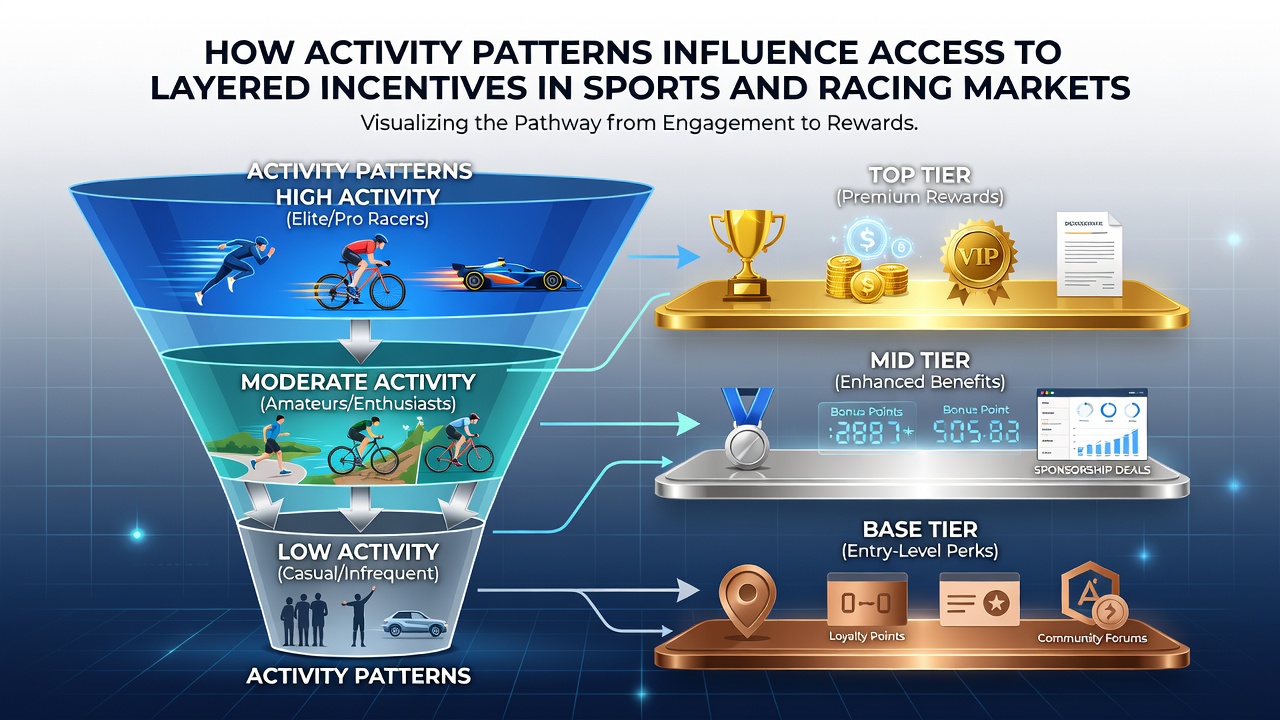
Operators structure layered incentives through progressive qualification systems that require documented activity milestones. Initial layers typically activate after a baseline number of settled wagers, while deeper layers demand sustained cross-market involvement. Research from the University of Nevada Gaming Research Center highlights that algorithmic scoring favors users demonstrating diversified selection patterns rather than repetitive single-market bets.
Timing influences outcomes because many platforms reset qualification windows monthly or quarterly. Bettors who align activity bursts with these cycles secure earlier access to stacked offers, whereas those distributing efforts evenly across longer periods may encounter different eligibility gates. The reality is that data logs capture not only wager amounts but also the sequence and spacing of individual transactions.
Comparative Effects Across Sports and Racing Segments
Sports markets often feature short-cycle events that reward rapid turnover, while racing markets extend qualification windows across multi-day meetings. Participants who bridge both segments create hybrid activity trails that satisfy broader criteria for combined incentives. Studies conducted by the European Gaming and Betting Association reveal that hybrid users in regulated markets secure access to four or more concurrent reward layers at higher rates than category-specific players.
June 2026 marks the scheduled rollout of enhanced data-sharing protocols among several European operators, which will refine how activity histories translate into real-time incentive adjustments. Early modeling suggests these protocols will emphasize cross-market continuity, giving consistent participants clearer pathways to deeper reward stacks.
Data Patterns and Qualification Thresholds
Analytics platforms record that users completing at least eight qualifying transactions per month across sports and racing reach secondary incentive layers within 45 days on average. Those restricting activity to fewer than four transactions monthly typically remain at base levels for extended periods. Reports from the National Council on Problem Gambling in the United States indicate similar stratification patterns in North American markets where activity density directly maps to reward depth.
Platform algorithms weigh not only volume but also outcome diversity, such as mixing in-play selections with ante-post racing wagers. This weighting creates measurable differences in how quickly participants progress through incentive tiers. Observers note that documented case studies from licensed operators consistently show diversified activity correlating with broader access.
Conclusion
Activity patterns serve as primary determinants of access to layered incentives within sports and racing markets. Sustained, diversified engagement across event types and schedules enables participants to meet the progressive criteria established by operators. Regulatory data and academic analyses confirm that frequency, timing, and category variety shape qualification outcomes across jurisdictions. As protocols evolve in 2026, the link between documented activity trails and incentive depth will become more precise, reflecting ongoing refinements in market tracking systems.