Exploring Algorithm-Driven Personalization in Multi-Venue Reward Chains for League Matches, Turf Events, and Virtual Table Play
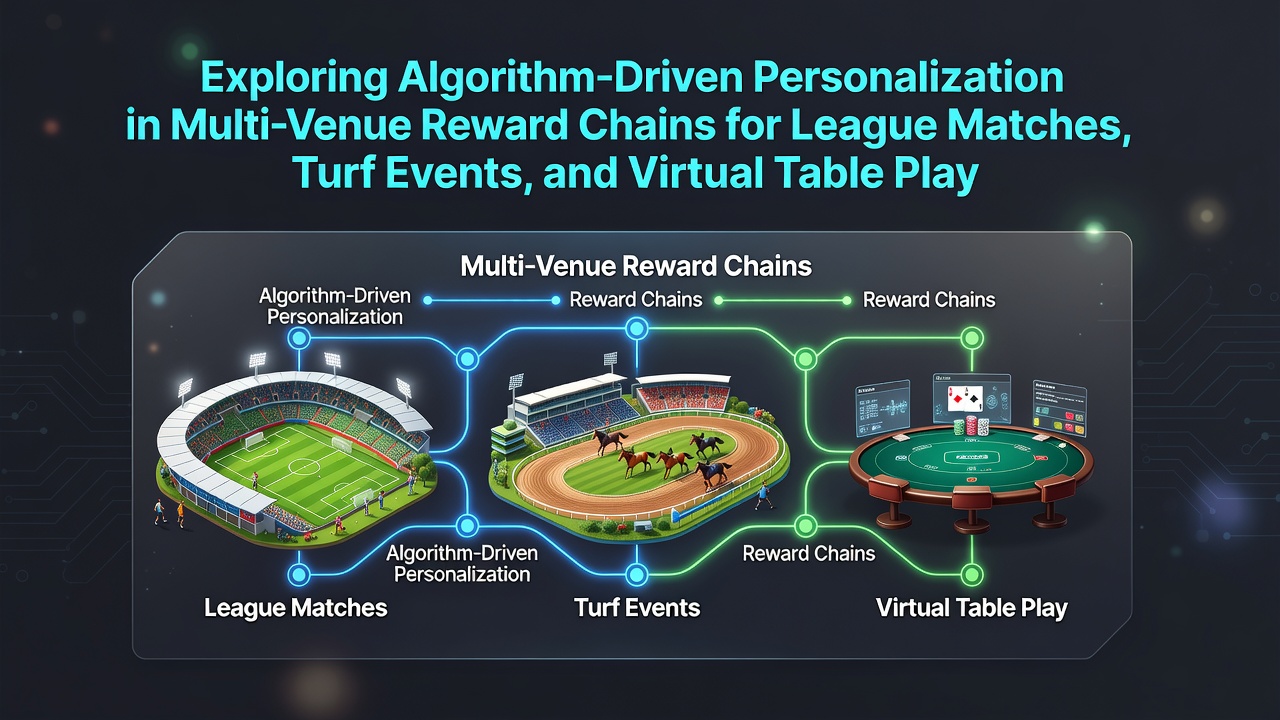
Algorithm-driven personalization has reshaped how reward systems operate across different gaming and betting environments, and data from August 2026 shows platforms integrating machine learning models that track user patterns in league matches, turf events, and virtual table play simultaneously. These systems analyze historical selections, session durations, and response rates to tailor incentives without manual intervention, while operators connect separate venues through unified data pipelines that adjust offers in real time.
Core Components of Multi-Venue Algorithms
Modern platforms rely on collaborative filtering techniques combined with reinforcement learning loops that process inputs from football fixtures, horse racing schedules, and digital card or roulette interfaces, and researchers at institutions such as the University of Nevada Reno have documented how these models predict which reward type a participant is likely to engage with next. The process begins when a user completes an action in one venue, after which the algorithm evaluates cross-category signals like bet frequency on league matches or spin patterns at virtual tables, then generates a chained reward that spans into turf events if the data indicates higher retention potential through that route.
League Matches and Dynamic Offer Adjustments
Football league data streams feed directly into personalization engines that modify accumulator structures or cashback percentages based on team performance trends and individual user histories, and systems deployed by major operators in 2026 routinely shift enhanced odds on specific matches when algorithms detect repeated interest in certain leagues. Observers note that these adjustments occur within seconds of new information entering the model, allowing reward chains to extend from a Saturday afternoon fixture into midweek events while maintaining consistency across user profiles. Studies published by the Australian Gambling Research Centre indicate that such targeted chaining increases session continuity when the algorithm balances risk exposure with perceived value across multiple match types.
Turf Events Within Reward Sequences
Horse racing platforms apply similar logic by monitoring form study habits and stake sizes before suggesting linked rewards that transition from flat races to jumps meetings, and the algorithms incorporate weather data along with track conditions to refine which events receive priority in a user's chain. In August 2026 reports highlighted how operators synchronized turf promotions with league match schedules so that a participant who engaged with afternoon racing could receive virtual table incentives timed for evening play, and this sequencing relied on sequential pattern recognition rather than static rules. The models also factor in regulatory limits from various jurisdictions, ensuring offers remain compliant while maximizing engagement through staggered delivery.

Virtual Table Play and Cross-Venue Continuity
Virtual blackjack and roulette environments contribute granular data on decision speed and volatility preferences that algorithms merge with sports and racing metrics to create seamless reward progressions, and operators have reported that users who receive table-game bonuses after completing turf event milestones show extended platform activity. These systems employ clustering methods to group participants by behavior archetypes, then route incentives through the venue most likely to sustain momentum, whether that means moving from a league match accumulator into a virtual dealer session or vice versa. Evidence from industry reports compiled by the European Gaming and Betting Association demonstrates measurable lifts in cross-venue participation when algorithms handle the sequencing instead of predefined bonus calendars.
Technical Integration and Data Flow
Backend architectures combine real-time APIs from league data providers, racing authorities, and casino software providers into a single processing layer that refreshes user profiles continuously, and this integration allows the algorithm to detect when a reward chain risks stalling so it can insert an alternative venue prompt. In practice, a participant who starts with football selections might encounter a turf event teaser if the model projects declining interest, followed by virtual table credits once racing activity concludes. Platforms operating in multiple regions must also align these flows with differing legal frameworks, which adds complexity but enables broader testing of personalization accuracy across August 2026 datasets.
Challenges in Maintaining Accuracy
Algorithm performance depends on sufficient data volume and clean integration between venues, yet gaps in tracking can produce mismatched offers that fail to resonate with users, and developers address this through ongoing model retraining that incorporates feedback loops from completed reward sequences. Regulatory bodies in Canada and parts of the United States have begun requiring transparency reports on how personalization engines segment audiences, which influences how operators design their chaining logic. Those who monitor these systems note that accuracy improves when models receive inputs from all three venue categories rather than isolated streams, leading to more coherent multi-step reward paths.
Conclusion
Algorithm-driven personalization continues to connect league matches, turf events, and virtual table play through coordinated data analysis that adapts to individual patterns, and developments observed in August 2026 underscore the growing reliance on these techniques for maintaining engagement across separate platforms. As models evolve, the focus remains on seamless transitions that respect regulatory boundaries while delivering relevant incentives at each stage of the reward chain.