Digital Toolkits That Streamline Access to Layered Rewards in Team Athletics, Equine Racing Circuits, and Interactive Entertainment Platforms
Integrated Platforms and Their Growing Role
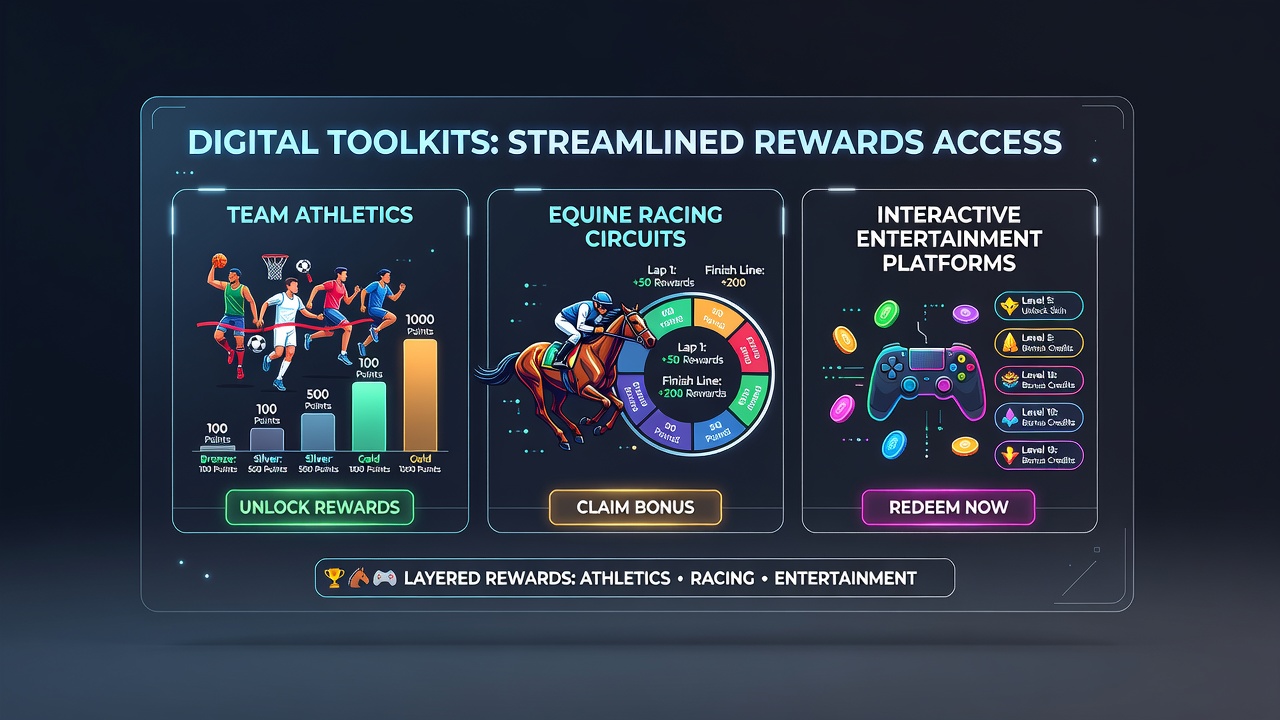
Digital toolkits now connect reward systems across team athletics leagues, equine racing circuits, and interactive entertainment platforms through unified interfaces that pull data from multiple sources at once. Researchers at the Australian Sports Commission have documented how these tools consolidate points, tiers, and redemption options so users avoid switching between separate applications for each sector. In July 2026 several major platforms released API updates that allow real-time synchronization of loyalty balances, and data from the Clearinghouse for Sport shows participation rates in multi-sector programs rose 18 percent during the first half of that year.
Developers design these toolkits with modular dashboards that display layered rewards side by side, whether those rewards originate from season ticket programs in professional football clubs or from thoroughbred owner loyalty schemes at major racecourses. Observers note that the same interfaces often incorporate casino-style entertainment modules, letting users track progress toward free spins or tournament entries without leaving the primary application. This consolidation reduces login friction and cuts the time spent reconciling balances across accounts.
Core Features Driving Adoption
Most toolkits include automated rule engines that detect when a user qualifies for stacked incentives, such as a football club loyalty bonus that unlocks an enhanced racing dividend or an entertainment platform credit. Studies conducted by the Entertainment Software Association indicate that users who enable these engines complete reward redemptions 27 percent faster than those who manage offers manually. The engines also flag expiration dates and minimum activity thresholds so participants avoid losing accrued value.
Security layers rely on token-based authentication and encrypted data exchange between the participating organizations, while audit trails satisfy regulatory requirements in jurisdictions that oversee both sports and gaming activities. Industry reports highlight that platforms adopting these standards experience fewer account disputes and faster resolution of reward discrepancies.
Implementation Across Sectors
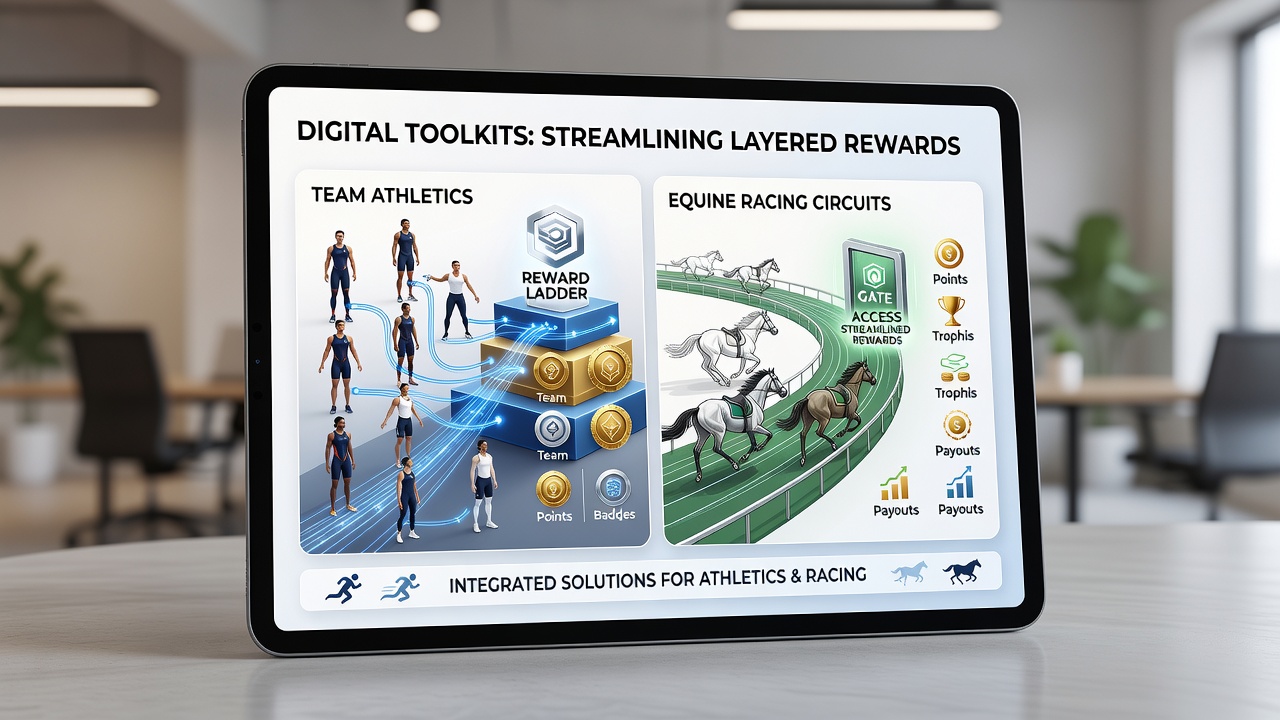
Team athletics organizations began integrating these toolkits in 2024 when several European leagues partnered with software providers to merge fan loyalty programs with regional racing circuits. The result was a single mobile experience where match attendance points could convert into racing entry credits or entertainment platform tokens. By mid-2026 the model had expanded to North American professional sports franchises, where similar linkages now connect basketball season-ticket rewards with harness-racing owner perks and online gaming leaderboards.
Equine racing circuits adopted the technology to manage both on-track and digital rewards. Owners and bettors receive notifications when their accumulated points unlock cross-sector benefits, such as discounted entertainment subscriptions or priority access to athletics events. Figures released by Racing Australia reveal that circuits using these toolkits recorded a 14 percent increase in active loyalty members during the 2025-2026 season compared with circuits that maintained standalone programs.
Data Integration and User Experience
The underlying architecture relies on standardized data schemas that allow different reward currencies to coexist within one profile. When a user earns points from a weekend football match, the toolkit automatically evaluates whether those points meet thresholds for racing circuit upgrades or entertainment bonus rounds. Developers continue to refine the algorithms so that eligibility checks occur in milliseconds rather than requiring batch processing overnight.
Accessibility features such as voice commands and simplified visual layouts ensure broader participation, while analytics dashboards supplied to program administrators track engagement metrics across all three sectors. According to research published by the University of Melbourne, programs that share anonymized usage data across partners achieve higher retention rates because they can adjust reward structures in response to actual participant behavior.
Conclusion
Digital toolkits continue to evolve as connectors between previously separate reward ecosystems in team athletics, equine racing, and interactive entertainment. Their ability to synchronize layered incentives through shared APIs and rule engines supports more efficient access for participants while meeting the operational needs of the organizations involved. As adoption widens in 2026 and beyond, the focus remains on maintaining secure, transparent data flows that respect both user preferences and regulatory frameworks across regions.