Decoding Loyalty Tier Mechanics: Aligning Seasonal Event Adjustments with Platform-Wide Reward Structures Across Licensed Operators
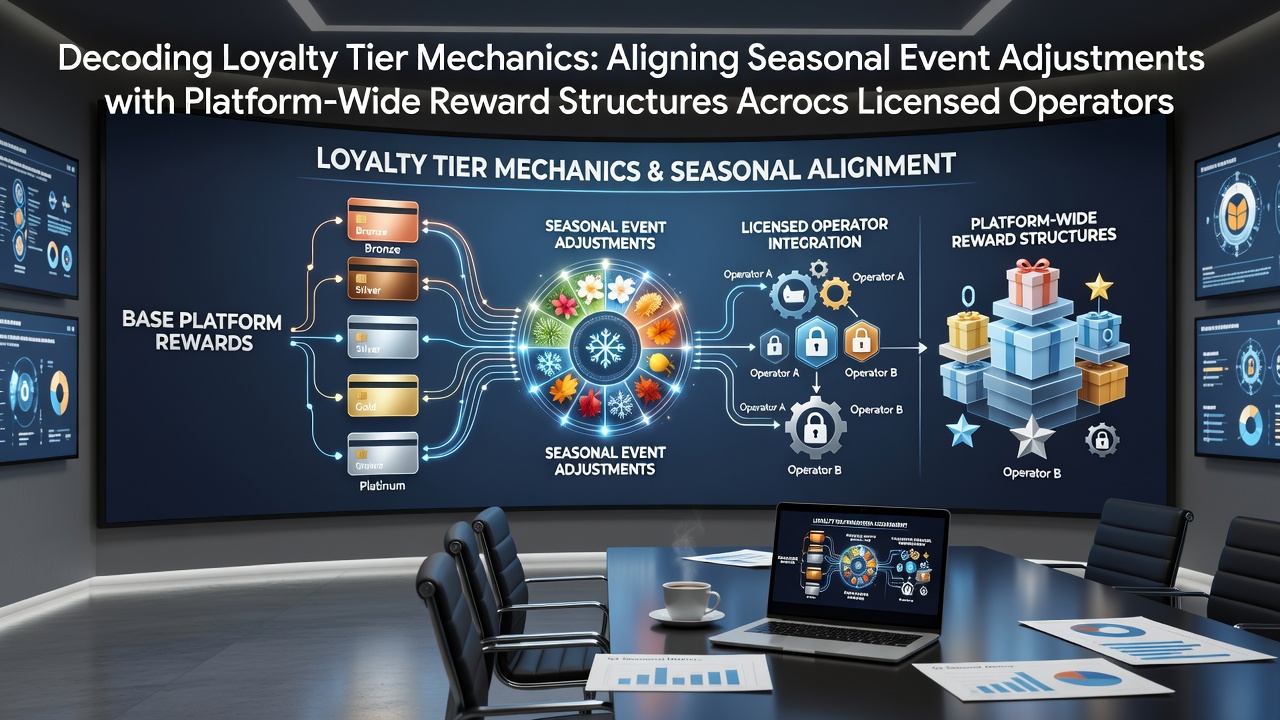
Operators structure loyalty programs through defined tiers that track player activity over set periods, and these frameworks require precise calibration when seasonal events shift reward multipliers or eligibility rules. Licensed platforms maintain consistency by mapping tier benefits onto broader reward ecosystems that include cashback, bonus credits, and event-specific enhancements. Data from regulatory filings shows tier advancement often hinges on cumulative wagering volume, deposit frequency, and engagement metrics that reset or adjust according to calendar cycles.
Core Components of Tier Structures
Basic tier models divide participants into progressive levels based on points earned from qualifying bets or deposits, with each level unlocking scaled returns such as higher cashback percentages or reduced wagering requirements on bonuses. Research indicates that operators synchronize these levels with platform-wide systems so that a player reaching a mid-tier threshold automatically qualifies for integrated perks across sports, racing, and casino verticals. Seasonal adjustments typically involve temporary point accelerators during major tournaments or holiday periods, which feed directly into the same reward ledger used for standard operations.
Observers note that alignment occurs through backend algorithms that apply event modifiers without disrupting permanent tier status. For instance, a summer racing festival might double points on specific markets while preserving the underlying tier calculation that determines annual status. This approach prevents fragmentation between short-term campaigns and long-term loyalty tracking.
Seasonal Event Integration Mechanisms
Operators implement seasonal changes by layering temporary rules onto existing tier frameworks rather than rebuilding them each cycle. July 2026 calendars, for example, incorporate mid-year sporting events and racing festivals that trigger multiplier windows lasting two to four weeks. These windows adjust point accrual rates and unlock parallel reward streams such as enhanced reloads or exclusive event entries. Figures from industry reports reveal that coordinated timing across verticals reduces administrative overhead while maintaining player progression visibility.
Platform-wide structures rely on unified player profiles that aggregate activity from all product lines. When a seasonal football tournament coincides with ongoing racing calendars, the system applies tier-based eligibility to both categories simultaneously. This prevents isolated promotions from conflicting with core loyalty calculations and ensures that accumulated points contribute to the same advancement ladder.
Cross-Operator Reward Alignment
Licensed operators coordinate tier mechanics with external regulatory standards that govern transparency in point valuation and redemption processes. Sources such as the New Jersey Division of Gaming Enforcement outline requirements for clear disclosure of how seasonal adjustments affect long-term rewards. Similar frameworks appear in reports from the Australian Gambling Research Centre, which examines how operators maintain equivalence between event-driven incentives and baseline tier benefits.
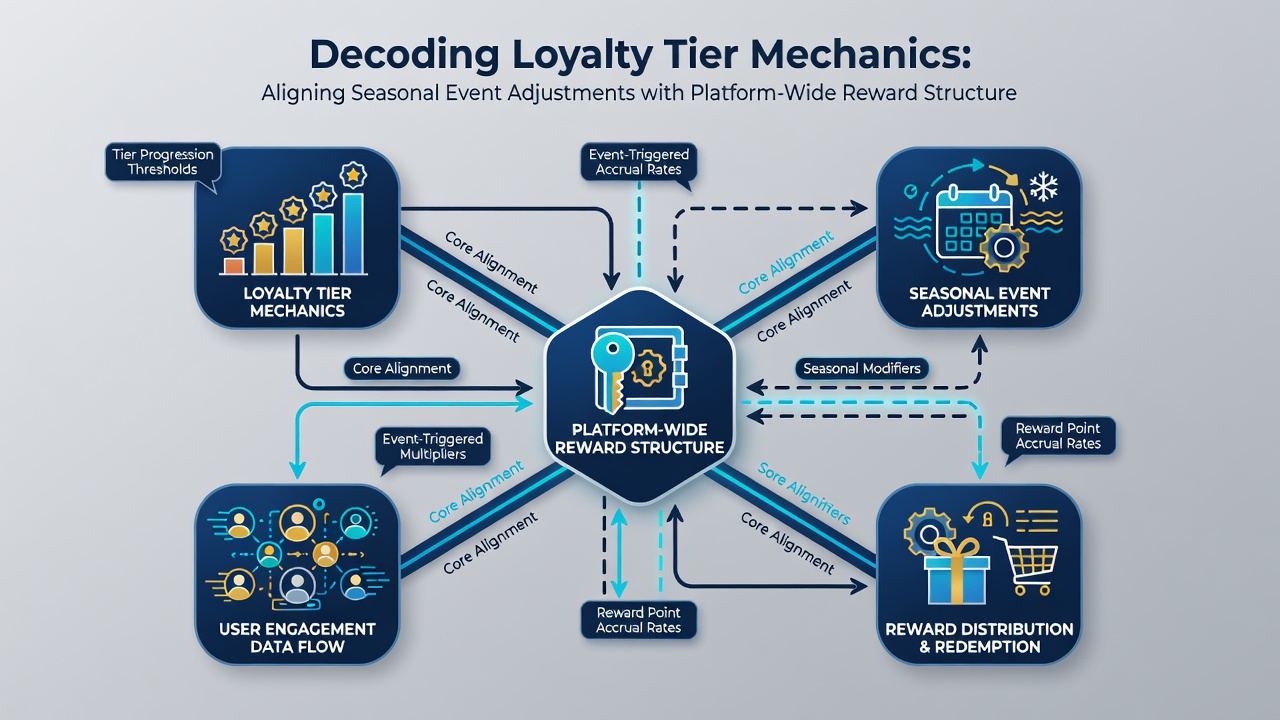
Alignment across multiple operators occurs when shared technological standards allow tier data to interface with third-party reward aggregators. These systems convert points earned under seasonal rules into platform credits that retain value regardless of which operator issued the original activity. Studies from university research groups have documented reduced player confusion when conversion rates remain stable during event periods.
Implementation Patterns Across Jurisdictions
Operators in different regions adapt tier mechanics to local event calendars while preserving core structural integrity. In markets with concentrated summer racing meets, platforms increase point multipliers on those events and automatically apply the gains to existing tier progressions. Conversely, jurisdictions with year-round casino focus emphasize deposit-based tiers that absorb seasonal sports overlays without altering base thresholds. Evidence suggests unified ledgers simplify compliance reporting because all adjustments trace back to the same activity database.
Those who manage these systems emphasize the importance of testing multiplier impacts before rollout. Pre-launch simulations verify that seasonal boosts do not accelerate tier advancement beyond intended limits or create unintended stacking with permanent benefits. Regulatory filings from multiple authorities document the use of such testing protocols as standard practice.
Conclusion
Loyalty tier mechanics function as interconnected systems that absorb seasonal variations through controlled multipliers and unified tracking. Operators achieve alignment by embedding event rules within platform-wide reward architectures that treat all activity as contributions to a single progression path. Regulatory sources and industry analyses confirm that consistent application of these principles supports transparent operations across licensed environments, with July 2026 events expected to follow established patterns of temporary adjustment layered onto permanent tier frameworks.