Coordinating Tennis Spread Fluctuations with Virtual Gaming Reloads and Loyalty Cashback Structures
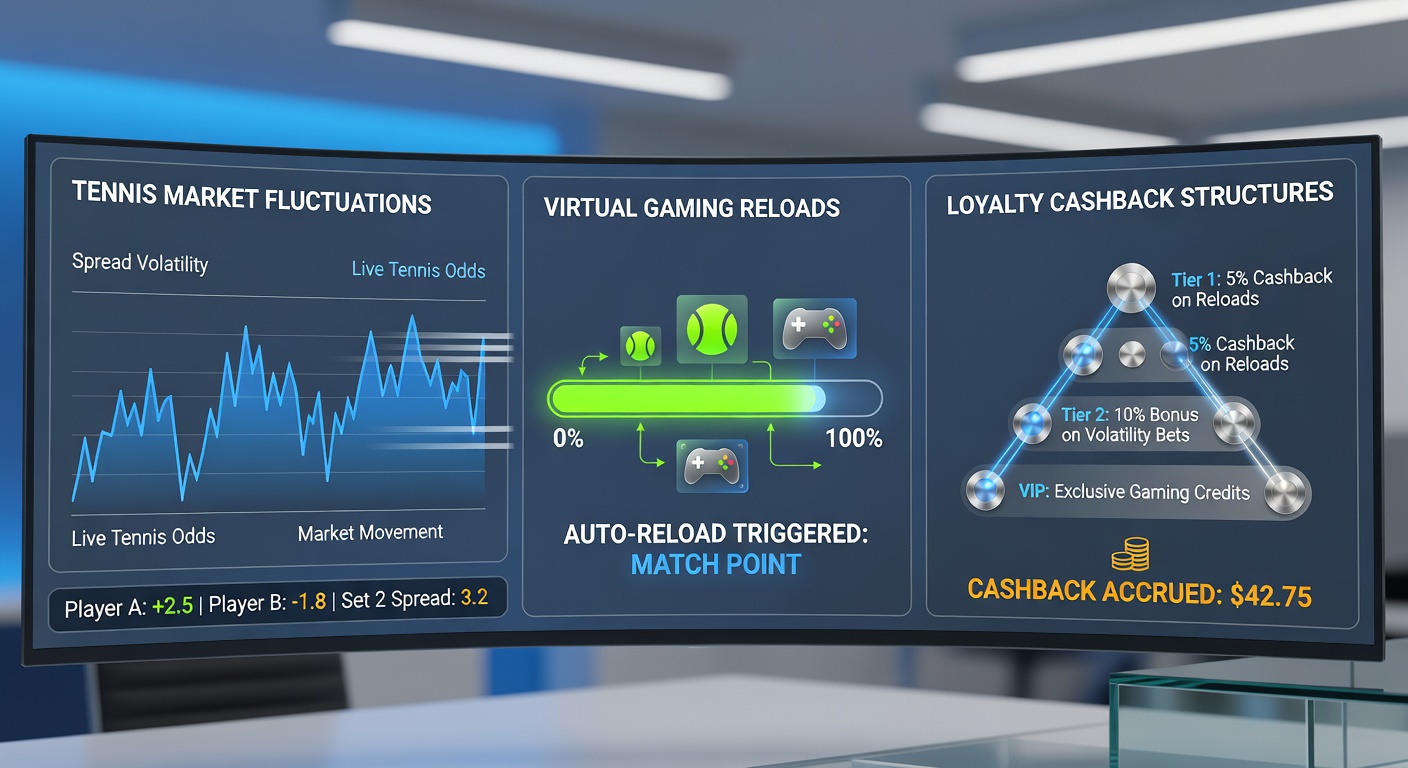
Operators in regulated markets track tennis spread movements that arise from live scoring updates, player fitness reports, and surface conditions while aligning those shifts with virtual gaming reload schedules and loyalty cashback tiers that activate at set intervals throughout the month. Data compiled by the Nevada Gaming Control Board shows that spread adjustments in ATP and WTA matches often occur within narrow time windows, and platforms synchronize reload credits to coincide with those windows so users can access fresh wagering capacity without separate deposit steps.
Tennis Spread Dynamics and Timing Patterns
Spread lines in tennis respond to real-time inputs such as break percentages, first-serve accuracy, and historical head-to-head records on specific court surfaces, and analysts at major sportsbooks record these changes in increments that range from half-point to full-point adjustments during early rounds of tournaments. Observers note that clay-court events scheduled for May produce slower point tempos that widen spreads compared with faster hard-court fixtures, creating predictable volatility clusters that platforms monitor through automated feeds. Those same feeds feed into backend systems that flag when a spread widens beyond a threshold, triggering conditional reload offers for virtual gaming accounts that users can activate within the same session.
Virtual Gaming Reload Structures
Virtual gaming reloads function as timed credits applied to simulated sports or table games, and platforms set these reloads to unlock after a minimum number of settled wagers or after a calendar day resets. Figures from industry reports indicate reload percentages typically sit between 10 and 25 percent of prior activity, with maximum caps that reset weekly. Coordination occurs when operators map reload availability to tennis calendars so that a user who places a spread bet on a May 2026 clay-court match receives a reload credit timed to cover any subsequent virtual session if the original wager settles outside expected parameters.
Loyalty Cashback Integration
Loyalty programs assign cashback rates according to tier status that users reach through cumulative handle across sports and virtual products, and higher tiers deliver weekly or monthly returns ranging from 5 to 15 percent. Research from the Australian Gambling Research Centre indicates that cashback calculations often exclude bonus funds yet include settled spread wagers, which allows operators to offset small losses from fluctuating tennis lines with automatic credits that post directly to main balances. Systems link cashback disbursement dates to the conclusion of major tennis weeks, ensuring users receive returns shortly after tournament finals conclude and before the next set of spread movements begins.
Cross-Product Synchronization Methods
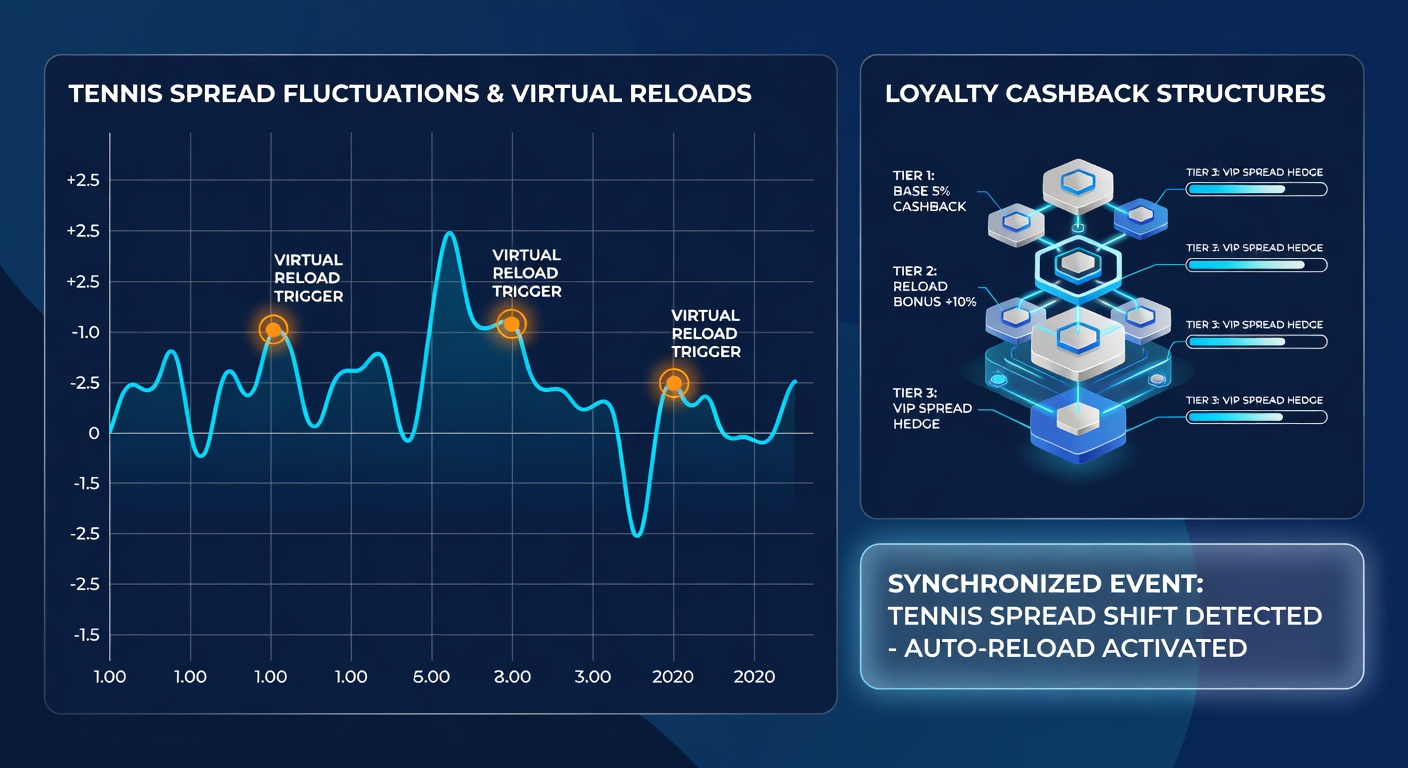
Platforms employ application programming interfaces that pull live tennis odds alongside virtual gaming session logs and loyalty point balances, then apply rule sets that release reloads or cashback when spread movement exceeds a defined delta. One documented approach involves segmenting users by historical tennis volume and automatically advancing their reload eligibility if a spread shifts by more than one point during a given match. This method keeps reload timing aligned with actual market movement rather than fixed daily schedules, and similar logic applies cashback multipliers when loyalty points accumulate from both tennis and virtual segments within the same 24-hour window.
Examples from May 2026 Tournament Windows
During the opening week of May 2026, several European clay-court events produced repeated spread adjustments after rain delays altered court conditions, and operators responded by extending virtual reload windows by two hours to match the extended match durations. Users who reached mid-tier loyalty status received cashback credits calculated on the combined handle from those adjusted tennis wagers and any virtual sessions completed immediately afterward. Records maintained by platform analytics teams show that synchronization reduced the average interval between wager settlement and reload activation from 18 hours to under four hours during that period.
Regulatory Reporting Requirements
Jurisdictions require operators to log every instance where reload or cashback amounts tie directly to sports outcomes, and compliance teams submit aggregated data that separates tennis spread activity from virtual gaming volume. The Canadian Centre for Gaming Research publishes annual summaries that track how loyalty structures interact with live sports feeds, and those summaries confirm that platforms maintain separate audit trails for each product category even when promotional timing overlaps. This separation ensures cashback calculations remain transparent while reload credits reflect only the virtual gaming component.
Conclusion
Coordination between tennis spread fluctuations, virtual gaming reloads, and loyalty cashback structures relies on integrated data feeds, tier-based rules, and calendar alignment that platforms adjust according to tournament schedules and regulatory reporting cycles. Operators continue to refine these linkages through API connections and segmented user rules, producing measurable reductions in activation delays during periods of elevated market movement such as the May 2026 clay-court season.