Charting loyalty ladder mechanics that align recurring cashback tiers with niche market adjustments across international circuits
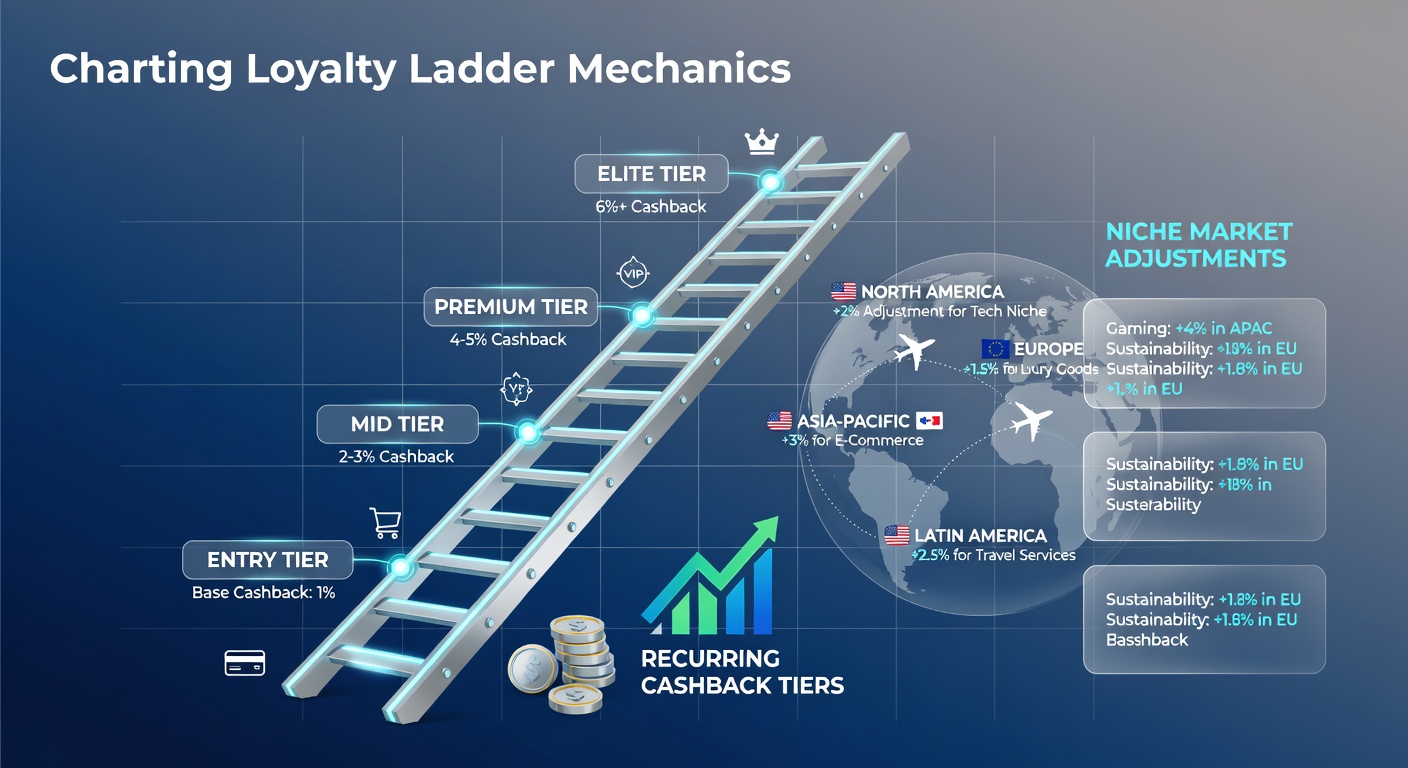
Operators across betting platforms structure loyalty ladders as progressive systems where players advance through defined tiers based on consistent activity levels, and these ladders integrate recurring cashback mechanisms that return a percentage of losses over set periods while incorporating adjustments tailored to niche markets in various regions.
Core Structure of Loyalty Ladders
Loyalty programs operate through multiple tiers that reward increased engagement with higher cashback rates, and research from industry reports shows that base tiers typically begin with five to ten percent cashback while top tiers reach twenty-five percent or more on eligible losses, with advancement determined by metrics such as total wager volume and frequency of play across specific product categories.
Recurring cashback functions on a weekly or monthly cycle where operators calculate net losses within each tier and issue credits automatically, yet these calculations include filters that exclude certain high-volume bets in order to maintain balanced payout structures, and data indicates that such filters help stabilize operator margins while still delivering value to regular participants.
Integrating Cashback with Niche Market Adjustments
Niche market adjustments allow operators to modify cashback percentages and eligibility rules according to regional preferences, so for example programs in European circuits often apply boosted rates to football accumulator bets during peak seasons whereas Asian markets see enhanced returns on live casino table games and specific horse racing circuits receive tailored extras for exacta and trifecta wagers.
These adjustments rely on localized data analysis that tracks player behavior patterns, and when operators notice higher engagement in particular sports or game types they recalibrate tier thresholds accordingly, which in turn influences how quickly participants move between levels and access elevated cashback benefits.
International Circuit Variations in May 2026
During May 2026 several major platforms introduced synchronized updates to their loyalty frameworks that aligned cashback tiers with emerging niche trends across multiple continents, and observers noted that European operators expanded football-related cashback while North American sites emphasized adjustments for basketball and baseball markets to reflect seasonal demand shifts.
Australian circuits meanwhile incorporated additional layers for rugby and greyhound racing, and these changes followed patterns established in prior years where operators used player segmentation to fine-tune rewards without disrupting overall program economics.
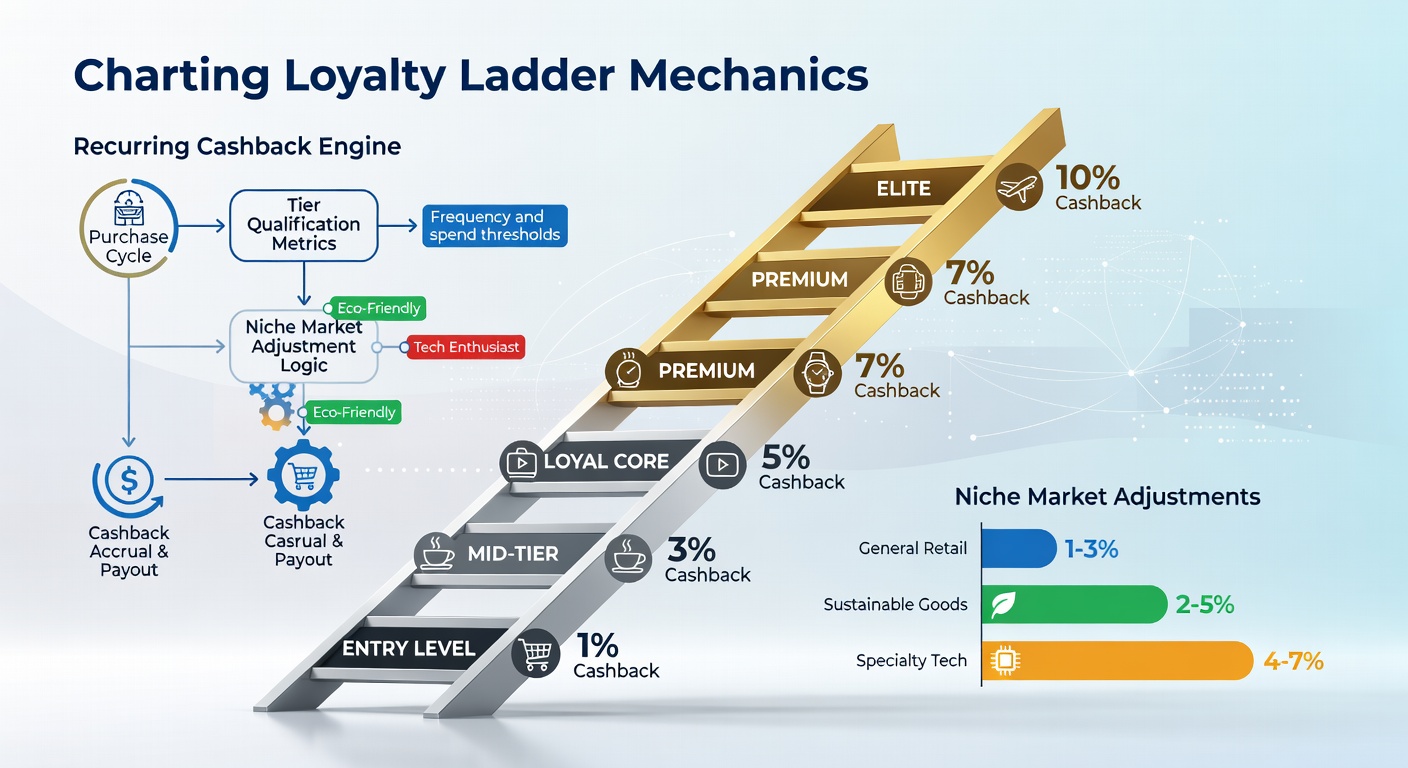
One case that surfaced in industry analyses involved a multi-tier system where cashback for niche e-sports bets increased by five percentage points for mid-level participants, and this tweak coincided with broader regulatory reviews that encouraged transparent reward structures across borders.
Mechanics Behind Tier Progression and Cashback Recurrence
Tier progression depends on cumulative points earned through varied betting activity, and points convert into higher cashback brackets after players meet monthly or quarterly targets, while recurrence ensures that cashback payments continue as long as the participant remains active within their current tier and complies with any market-specific wagering requirements.
Operators apply caps on maximum cashback per cycle to control exposure, and these caps often differ by region because data from cross-border operations reveals that certain markets generate higher average losses that necessitate tighter limits to preserve program sustainability.
Examples of Cross-Regional Alignment
Platforms operating in both the European Union and Southeast Asia frequently synchronize their ladder mechanics so that cashback earned in one jurisdiction carries over with adjusted multipliers when players engage in another, and this alignment supports retention among international users who move between different betting circuits throughout the year.
According to findings published by the European Gaming and Betting Association, coordinated tier systems reduce player churn by maintaining consistent reward visibility even as market adjustments take effect, while reports from the Australian Institute of Criminology highlight similar benefits when operators adapt cashback formulas to local regulatory conditions.
Those who track these programs observe that successful implementations combine automated tracking tools with periodic manual reviews, allowing operators to respond to shifts in player preferences without overhauling entire loyalty structures.
Conclusion
Loyalty ladder mechanics that connect recurring cashback tiers with niche adjustments continue to evolve as operators refine their approaches across international circuits, and the integration of data-driven modifications ensures that rewards remain relevant to diverse player bases while supporting operational stability in markets worldwide.